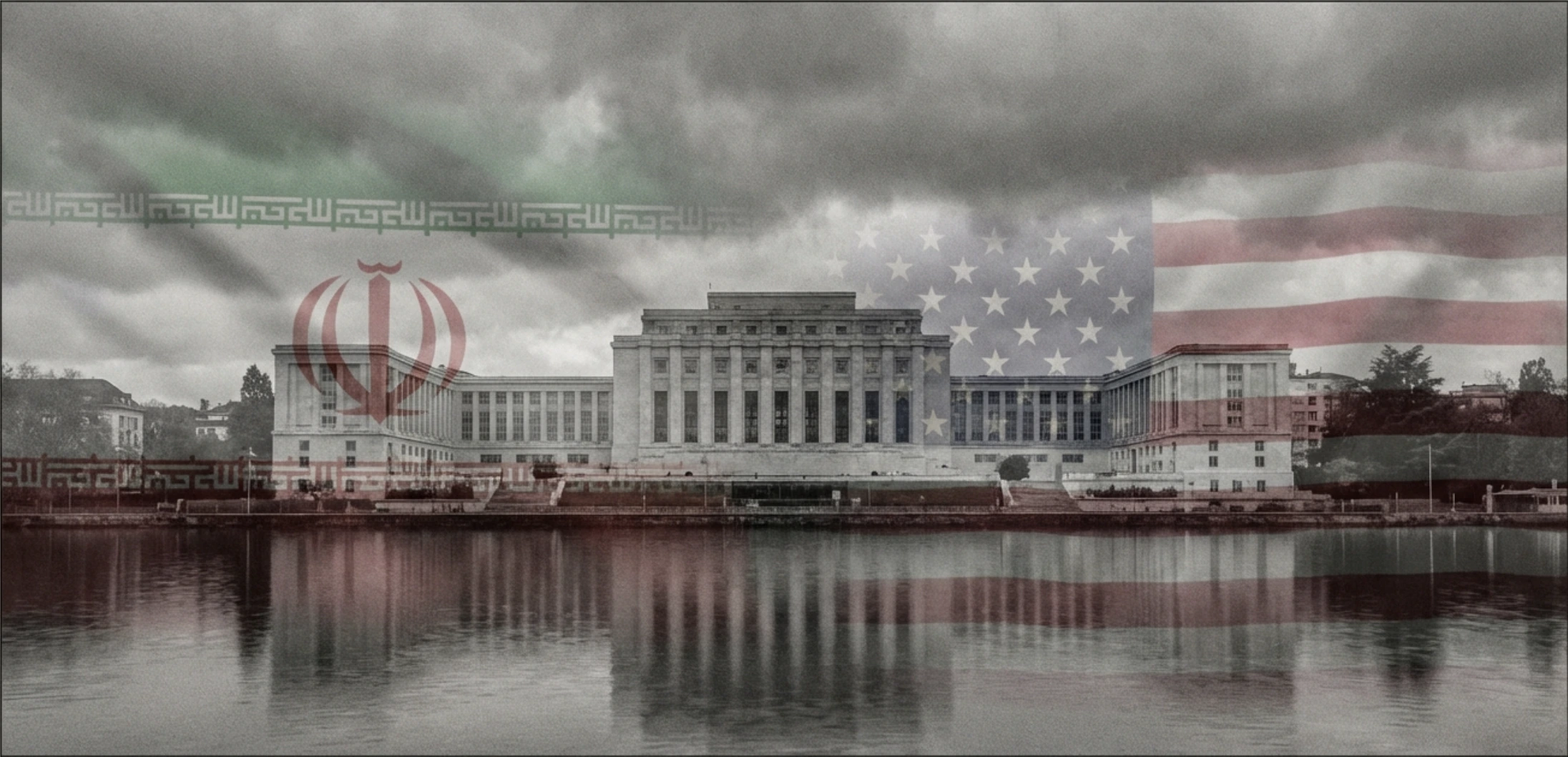

Iran will restart nuclear negotiations with the United States in Geneva, Tehran announced this week, framing the talks as a chance to secure a “fair and equitable deal in the shortest possible time.” The comments, issued by Iranian Foreign Minister Seyed Abbas Araghchi on X, convey a marked diplomatic assertiveness while making clear that war is not on the horizon.
Araghchi’s posts reaffirm Tehran’s commitment to dialogue while insisting that Iran’s nuclear intentions are peaceful and sovereign. “Pillared on the understandings forged in the previous round, Iran will resume talks with the U.S. in Geneva with a determination to achieve a fair and equitable deal—in the shortest possible time,” he wrote on his verified X account, linking the upcoming round to prior negotiations and signaling continuity rather than rupture. @araghchi
This message arrives against a backdrop of cautious international attention. Diplomatic channels have remained open for months, but substantive progress toward reviving terms that would ease sanctions and clarify nuclear obligations has remained elusive. Washington and Tehran have both signaled a preference for talks, not escalation. In that context, Iran’s public statements about resuming negotiations are significant precisely because they underscore diplomacy over confrontation.
"Crystal Clear" Nuclear Position
Araghchi did not equivocate when addressing the most sensitive issue in the talks: Tehran’s nuclear program. “Our fundamental convictions are crystal clear: Iran will under no circumstances ever develop a nuclear weapon,” he wrote, adding that Iranians will not relinquish their right to the benefits of peaceful nuclear technology.
This assertion goes to the heart of a diplomatic impasse that has endured for years. Western governments have sought guarantees that Iran’s enrichment activities cannot be diverted to weapons purposes; Tehran has insisted that its nuclear energy and research programs are legitimate and peaceful. By restating these points in unambiguous terms, Araghchi has set a baseline for negotiations that is unlikely to surprise seasoned diplomats but serves to reassure domestic and regional audiences that Tehran’s sovereignty is non-negotiable.
Historic Opportunity, If Diplomacy Prevails
Perhaps the most consequential line in Araghchi’s thread is his assertion that a breakthrough remains within reach. “We have a historic opportunity to strike an unprecedented agreement that addresses mutual concerns and achieves mutual interests,” he wrote, adding that “a deal is within reach — but only if diplomacy is given priority.”
That phrasing matters. It signals Iranian willingness to engage actively in negotiation while laying responsibility for progress at the feet of both sides. Diplomacy, in this formulation, is not passive: it must be prioritized and protected from domestic political winds that in both Tehran and Washington could otherwise derail it.
Notably absent from Araghchi’s public statements are any hints of military posturing or threats. Instead, he frames Iran’s approach as both resolute and peace-oriented. “We have proven that we will stop at nothing to guard our sovereignty with courage,” he wrote. “We bring the same courage to the negotiating table, where we will pursue a peaceful resolution to any differences.” The dual message is clear: Iran intends to defend its interests, but not through armed conflict.
Diplomacy, Not War
For policymakers, analysts, and markets alike, the most reassuring element of the latest Iranian messaging is its emphasis on negotiation over confrontation. With tensions in the Middle East periodically sparking concerns about escalation, public pronouncements like Araghchi’s serve an important stabilizing function: they anchor the narrative in diplomacy rather than conflict.
U.S. officials have welcomed diplomatic engagement in tones that reflect strategic caution rather than aggression. The absence of any credible threat of military confrontation in official statements, combined with both sides’ willingness to return to the table, suggests that the current trajectory prioritizes negotiation and de-escalation.
This does not mean that substantive differences have been resolved. Technical gaps, verification mechanisms, sanctions relief, and regional security considerations remain on the table. But by publicly reaffirming their willingness to talk — and framing the exchange as an opportunity rather than a standoff — both Washington and Tehran have signaled that the immediate priority is diplomatic progress. In other words, war is not the direction of travel; negotiation is.
What to Watch Next
The Geneva talks themselves will be the first acid test of this diplomatic momentum. Observers will be looking for movement on three key dimensions: clarity on enrichment limits and inspection protocols, sequencing of sanctions relief, and statements of intent from participating envoys. None of these will be easy, but incremental progress — even procedural — would indicate that the framework for negotiation remains alive.
Another signal will be whether both capitals maintain consistent messaging. Iranian rhetoric in favor of peaceful resolution must be matched by substantive engagement at the table. Likewise, Washington must balance pressure on Tehran with incentives that make diplomacy tangible for Iranian negotiators.
The historic opportunity Araghchi cites is real in one sense: both sides have reasons to avoid escalation and to seek a durable equilibrium. That equilibrium — if achieved — will likely be imperfect, requiring compromise and creativity. But for now, the public narrative is clear: Tehran enters Geneva determined to negotiate, not to fight.
In short: despite years of tension and mistrust, the immediate outlook points toward dialogue and diplomacy — not war.